Youtubeで検索!
Ledger Live は
Ledger Wallet (formerly Ledger Live) is a comprehensive cryptocurrency management application that pairs with Ledger hardware wallets to provide secure portfolio tracking, staking, swapping, and DeFi access across 5,500+ digital assets.
Ledger Liveは、ユーザーにデジタル体験の完全なコントロールを提供するために設計された強力なコンパニオンアプリケーションです。Ledger Liveは、データを保護しながら安全に活動を管理できます。使いやすさとセキュリティを組み合わせることで、Ledger Liveはすべての活動の中央ハブとして機能します。
仕組み Ledger Live
Ledger Liveはアカウントに直接接続し、機密データがデバイスから離れないことを保証します。すべてのアクションは確認が必要で、不正アクセスからユーザーを保護します。Ledger Liveはインターフェースとして機能し、セキュリティはすべてのレベルで適用されます。
Ledger Liveの主な機能
Non-fungible tokens have evolved from niche digital collectibles into a significant asset class spanning art, gaming, music, real estate, and identity. As the value stored in NFTs has grown, so has the need for secure storage and management solutions that protect these unique digital assets from theft, phishing, and unauthorized transfers. Ledger Wallet provides a comprehensive NFT management experience that combines the visual richness of a dedicated gallery with the uncompromising security of hardware wallet custody.
Ledger Liveでの資産管理
This guide covers everything you need to know about storing, viewing, and managing NFTs with your Ledger device. Why Store NFTs on a Hardware Wallet? NFTs stored in software wallets like MetaMask or Coinbase Wallet are protected only by the security of the device running the wallet software.
セキュリティが核心
If your computer is compromised by malware, your browser extension is exploited, or you inadvertently interact with a malicious smart contract, your NFTs can be transferred away without your knowledge or consent. Hardware wallet storage fundamentally changes this security model by requiring physical confirmation on a dedicated device for every NFT transfer. With Ledger, every outgoing NFT transaction must be reviewed and approved on your hardware wallet screen before it can execute.
Ledger Liveと自己管理
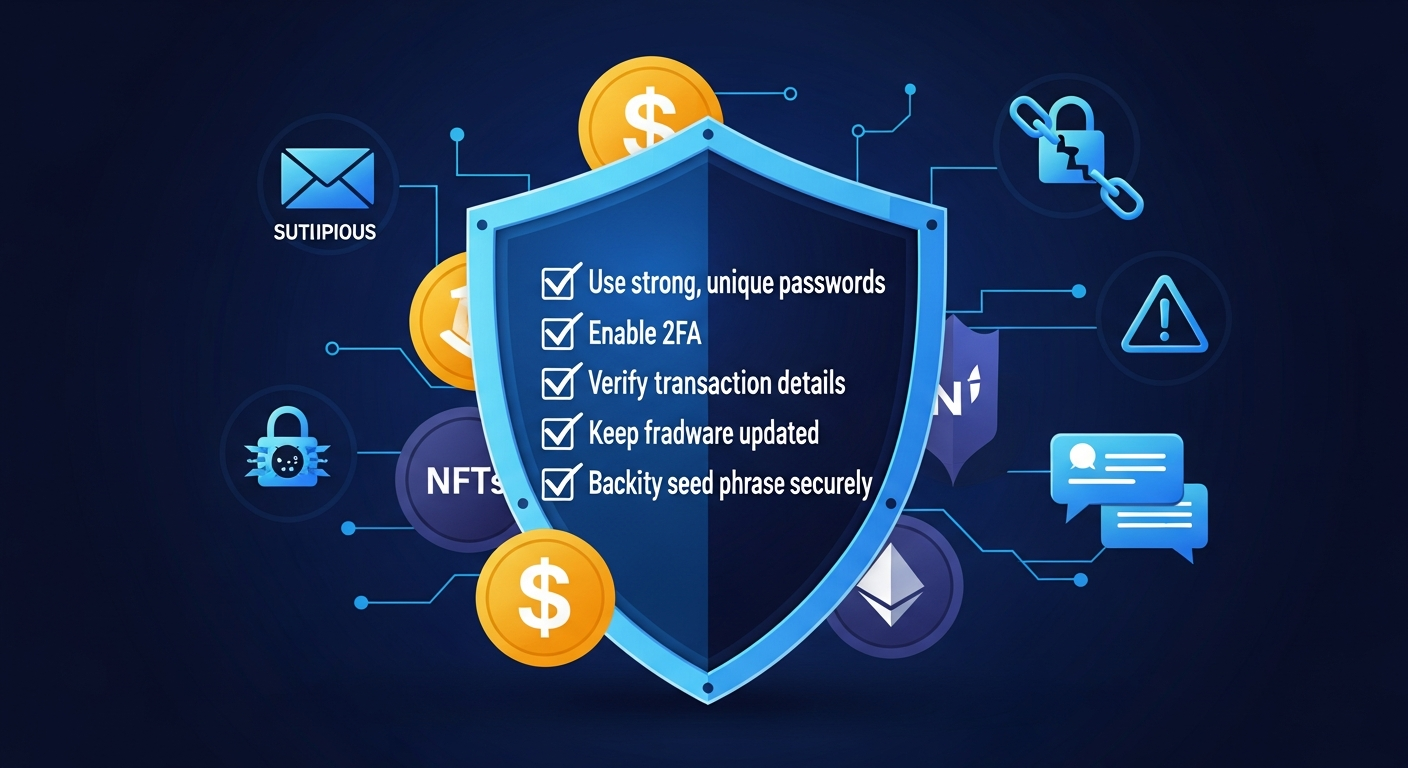
Even if an attacker gains complete control of your computer, they cannot move your NFTs without physical access to your Ledger device and your PIN code. This hardware-enforced security boundary is the strongest protection available for digital assets of any kind, including NFTs. Security Benefits Summary Private keys stored in a certified Secure Element chip, never exposed to your computer or phone Physical confirmation required for every NFT transfer, preventing unauthorized movements Clear Signing displays the exact NFT and recipient address on the device screen before approval Transaction Check flags suspicious NFT-related transactions using ML analysis PIN protection with automatic device wipe after three incorrect attempts Supported NFT Networks Ledger Wallet’s NFT gallery supports digital collectibles across multiple blockchain networks.
購入、売却、スワップ
The primary supported networks for NFT viewing and management include Ethereum (ERC-721 and ERC-1155 standards), Polygon (the most popular L2 for NFTs due to lower gas fees), and additional networks that are being integrated on an ongoing basis. The gallery automatically detects NFTs held in your connected accounts and renders their images, metadata, and collection information. For networks not yet fully supported in the native gallery view, you can still securely store and transfer NFTs using your Ledger device through third-party interfaces like OpenSea, Blur, or Magic Eden by connecting your hardware wallet through WalletConnect or direct browser extension integration.
Ledger Liveでのスワップ
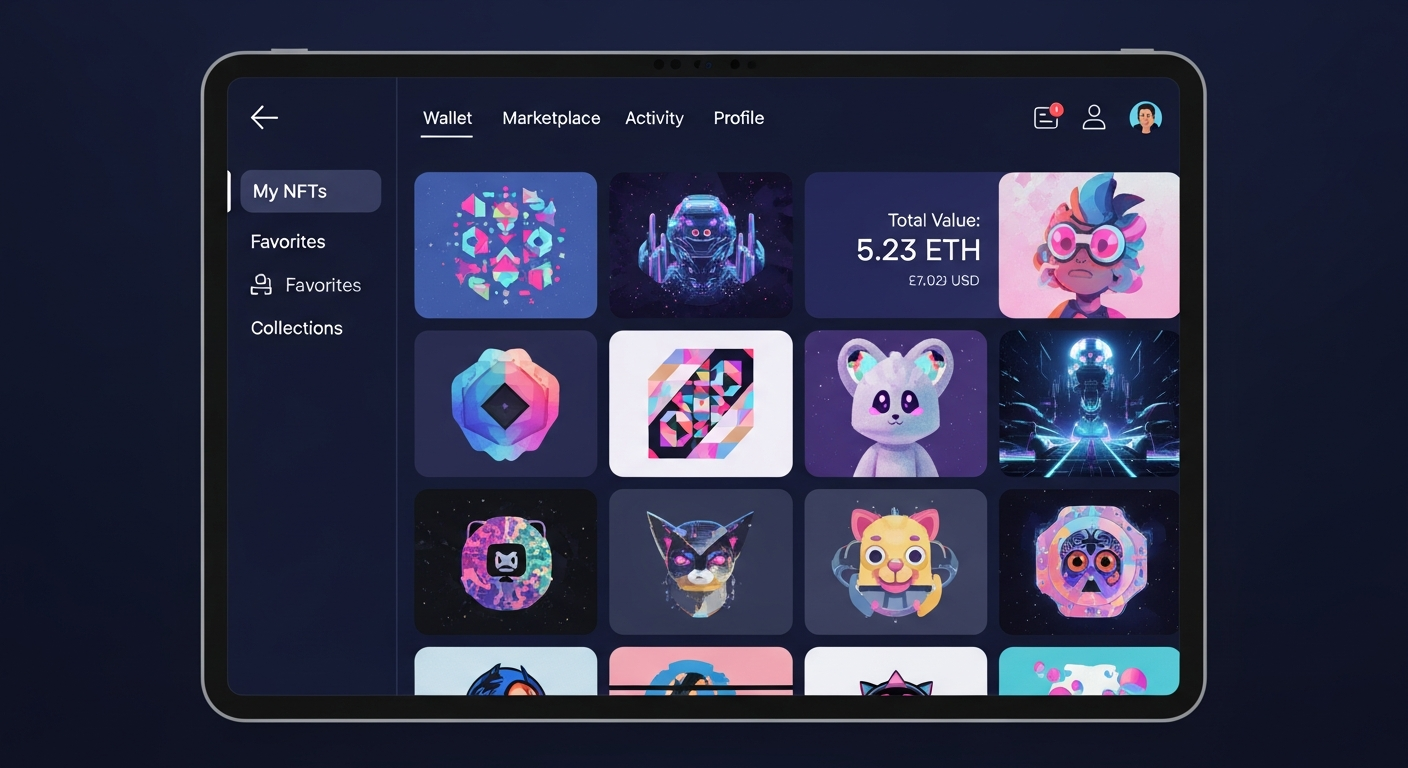
The key advantage is that regardless of which interface you use to view or trade NFTs, every transaction is signed by your Ledger device. Viewing Your NFT Collection The NFT gallery in Ledger Wallet provides a visual interface for browsing your digital collectible collection. Navigate to the NFTs section in the application to see all detected NFTs organized by collection.
Ledger Liveでのステーキング
Each NFT displays its image (or animation for dynamic NFTs), name, collection, and blockchain network. You can click on individual NFTs to view detailed metadata including traits, creator information, token ID, and contract address. The gallery supports various NFT media types including static images (JPEG, PNG, SVG, WebP), animated GIFs, video files (MP4), and 3D models in some cases.
サポートされているステーキング資産
Large collections are paginated for smooth browsing performance, and you can search or filter by collection name to quickly find specific pieces in extensive collections. Receiving NFTs Receiving NFTs on your Ledger is as simple as sharing your wallet address. Navigate to the account on the appropriate network (for example, your Ethereum account for ERC-721 NFTs), click “Receive”, and share the displayed address with the sender or use it when purchasing NFTs from marketplaces.
Ledger LiveとDeFiアクセス
Always verify the address on your hardware wallet screen before sharing it to prevent address substitution attacks. When purchasing NFTs from marketplaces while connected with your Ledger, the purchase transaction is routed to your hardware wallet for signing. Clear Signing will display the marketplace contract address, the NFT being purchased, and the payment amount, allowing you to verify every detail before confirming.
WalletConnectとDAppの統合
This hardware verification step is critical for preventing phishing marketplaces that display legitimate-looking NFTs but actually execute malicious transactions. Sending and Transferring NFTs To send an NFT from your Ledger-secured account, select the NFT in the gallery and click “Send”. Enter the recipient’s wallet address, review the transaction details (including the gas fee for the blockchain network), and confirm the transaction on your hardware wallet.
Ledger Liveモバイルとデスクトップ
Your Ledger device will display the NFT contract address, the token ID, and the destination address via Clear Signing, ensuring you are transferring exactly the right NFT to the intended recipient. For batch transfers of multiple NFTs, some users prefer to use marketplace interfaces like OpenSea connected to their Ledger device, as these platforms offer more advanced transfer and listing management tools. Regardless of the interface used, each transfer transaction requires individual confirmation on your hardware wallet, maintaining security even during batch operations.
ユーザーエクスペリエンスとインターフェース
Handling Unsolicited and Spam NFTs A common challenge for NFT holders is receiving unsolicited NFTs — often spam or scam NFTs airdropped to your wallet without your consent. These unwanted tokens may contain phishing links in their metadata, redirect to malicious websites when viewed, or be part of social engineering attacks designed to trick you into interacting with harmful smart contracts. Ledger Wallet’s approach to spam NFTs involves several protective measures.
プライバシーとコンプライアンス
The gallery identifies known spam collections and provides visual indicators to distinguish legitimate NFTs from potential scams. If you receive an NFT you did not expect, do not interact with it through external dApps or marketplaces — some scam NFTs are designed to trigger malicious transactions when you attempt to list, sell, or transfer them. The safest approach is to ignore spam NFTs and leave them untouched in your wallet.
Ledger Liveと透明性
NFT Safety Guidelines Never click links embedded in NFT descriptions or metadata from unknown sources Do not attempt to sell or transfer unexpected airdropped NFTs through unfamiliar platforms Verify NFT collection authenticity by checking the contract address against official project sources Use the official collection links from established marketplaces rather than following links from social media or messages Review all NFT transaction details on your hardware wallet screen before approving Best Practices for NFT Portfolio Management Organize your NFT holdings by creating separate accounts within Ledger Wallet for different collection categories or risk levels. For example, maintain a “vault” account for high-value NFTs that you intend to hold long-term, and a separate “active” account for NFTs you trade or interact with frequently. This segregation limits the exposure of your most valuable pieces to the smart contract interactions required for active trading.
Ledger Liveの未来
Regularly review your NFT holdings and the token approvals you have granted to marketplace contracts. Over time, you may accumulate approvals for contracts you no longer use, each of which represents a potential attack surface if the approved contract is ever compromised. Use tools like revoke.cash to audit and revoke unnecessary NFT approvals, reducing your exposure to smart contract vulnerabilities.
Web3エコシステムにおけるLedger Live
Consider using the Ledger device’s ability to hold multiple accounts strategically. A dedicated NFT account that interacts with marketplaces can be isolated from your main cryptocurrency holdings, ensuring that even a worst-case scenario on a marketplace dApp cannot affect your primary crypto assets. This compartmentalization is one of the most effective risk management strategies available to NFT collectors.
Comments
No comments yet. Be the first to share your thoughts!